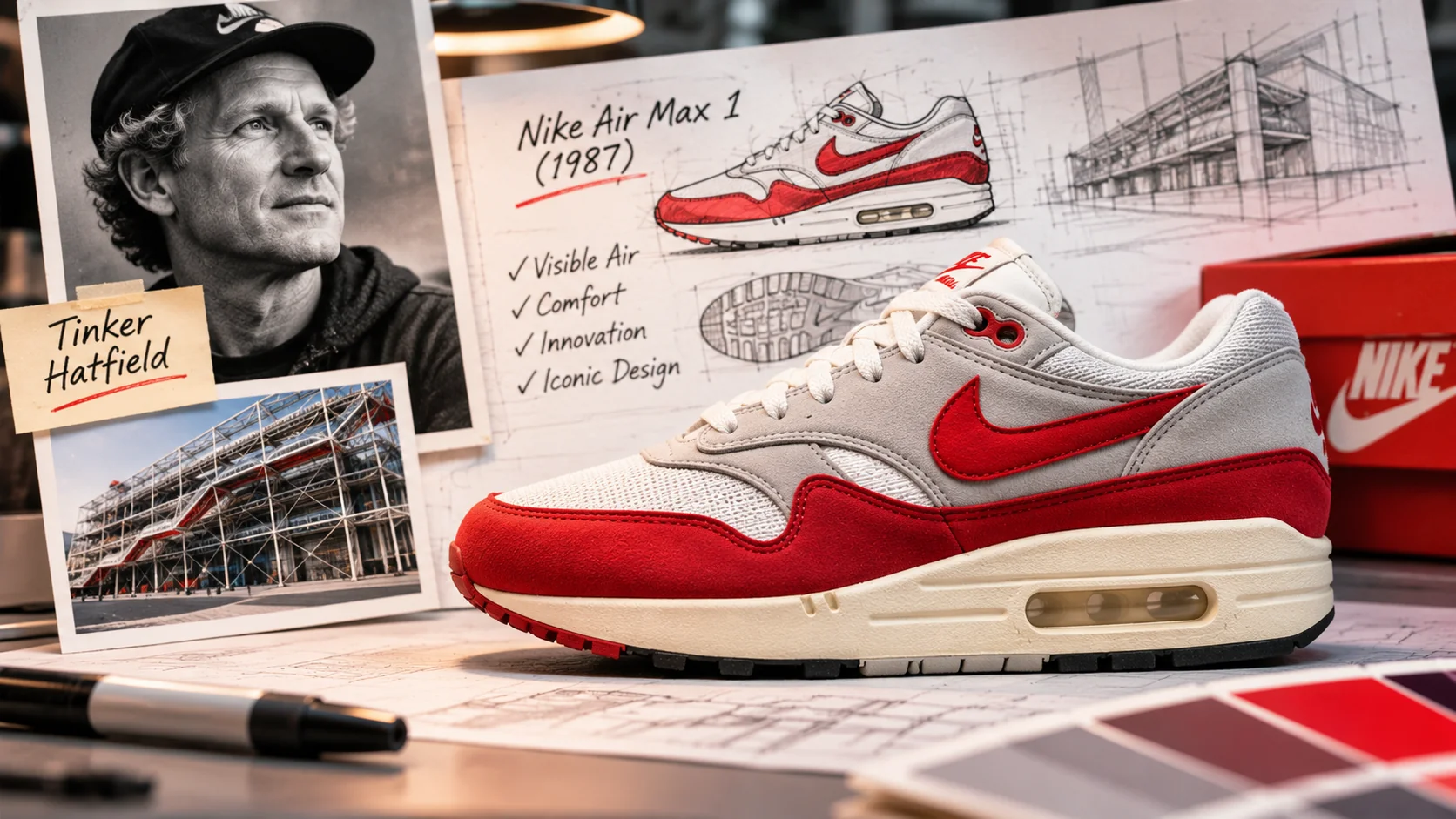
Tinker Hatfield · design as a story
Tinker Hatfield’s sneaker designs and sketches show how function, form and a distinctive story come together. This is a source of inspiration, not a commission I completed for Nike.
Erik Homan is a UX/UI Designer with experience in visual design, product design, interaction design and design systems. His work includes digital products for Coolblue, KVK, Wehkamp and travel brands.
My work includes digital experiences for Coolblue, Wehkamp, KVK and travel platforms. My developing experience in healthcare brings a new perspective to accessible, human-centred design.
As a UX Designer I focus on user needs and clear interactions. As a UI Designer and Visual Designer I develop accessible interfaces and a consistent visual language. Product design connects these disciplines with the digital product and its design system. My design approach draws on Human–Computer Interaction (HCI) principles and Jakob Nielsen’s usability heuristics. I focus on recognizable navigation, clear feedback, consistent controls and error prevention, helping people find their way with less effort and less to remember.
I also work as an AI-assisted Designer & Developer, using ChatGPT and Microsoft Copilot to explore ideas, develop designs and build digital prototypes and websites. I set the direction and review usability, visual quality and functionality.
Alongside UX/UI and visual design, I work on AI-assisted development, hosting and deployment. I also connect systems so websites, dashboards, databases and external services work together.
Figma · Adobe Creative Cloud · Sketch · ChatGPT · Microsoft Copilot · GitHub · Render · Neon · Cloudflare Pages · HTML/CSS · WordPress
Tinker Hatfield’s sneaker designs and sketches show how function, form and a distinctive story come together. This is a source of inspiration, not a commission I completed for Nike.
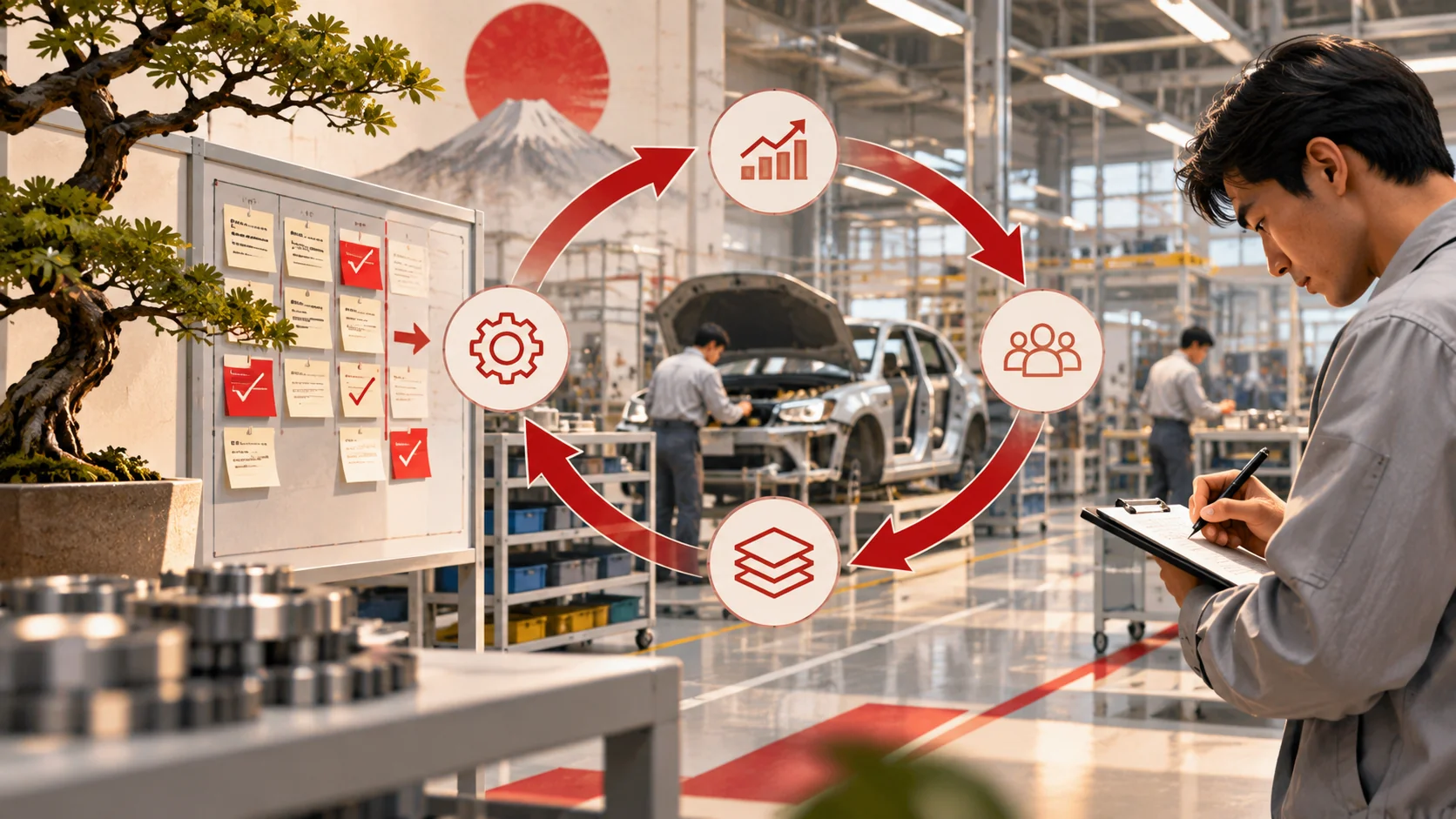
Toyota and Kaizen illustrate why I work iteratively: observing, learning, simplifying and making improvements step by step.
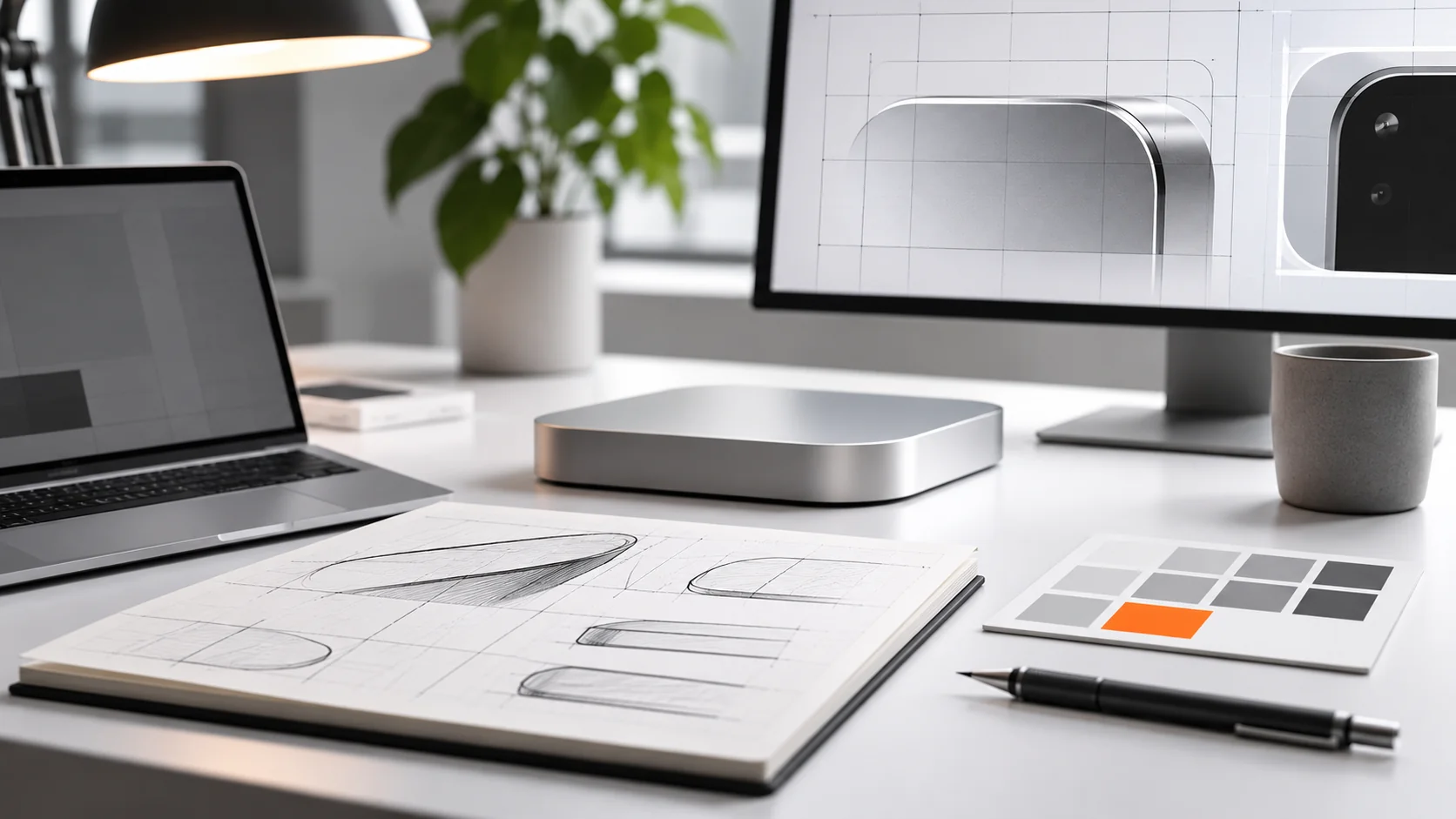
Clear interactions, consistent components and careful finishing are important quality principles in my work.
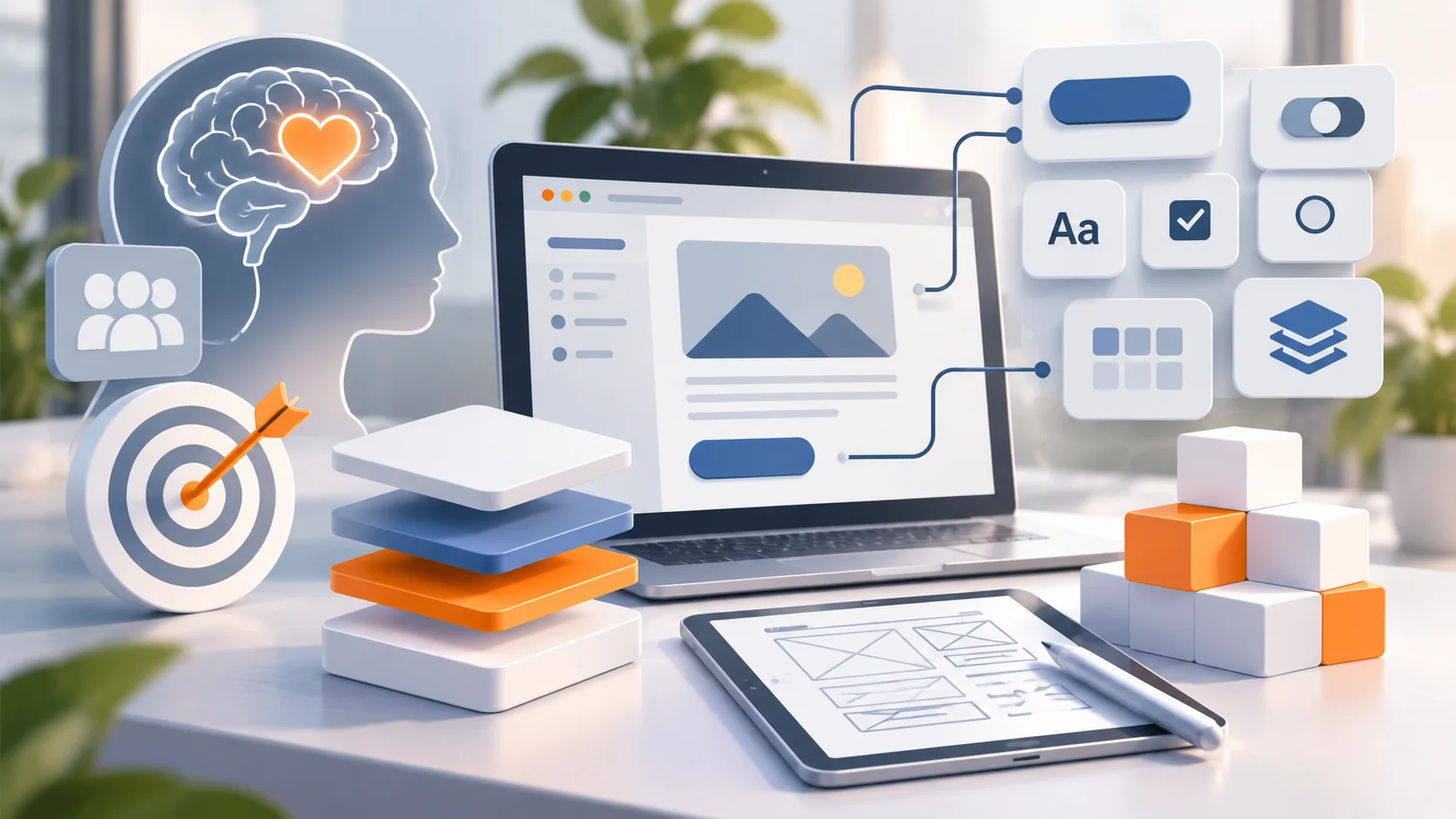
A strong brand remains recognisable, while a modular design system keeps digital products coherent and accessible.
From an initial idea to a tested digital product. I connect design, technology and feedback in six steps.
I explore user needs and context. Depending on the question, I use interviews, observations, personas and customer journeys to define goals and priorities.
I translate the question into structure, interactions and a visual design in Figma.
I document behaviour, components and acceptance criteria so the implementation can be evaluated.
I implement the design with reusable components and AI support. GitHub keeps a record of the changes.
I evaluate prototypes through user testing where appropriate. I also check accessibility, responsive behaviour and functionality.
I incorporate feedback, resolve problems and use what I learn to guide the next improvement.
Feedback leads to the next improvement.
I set the direction and evaluate the result. AI supports my analysis, implementation and development.